
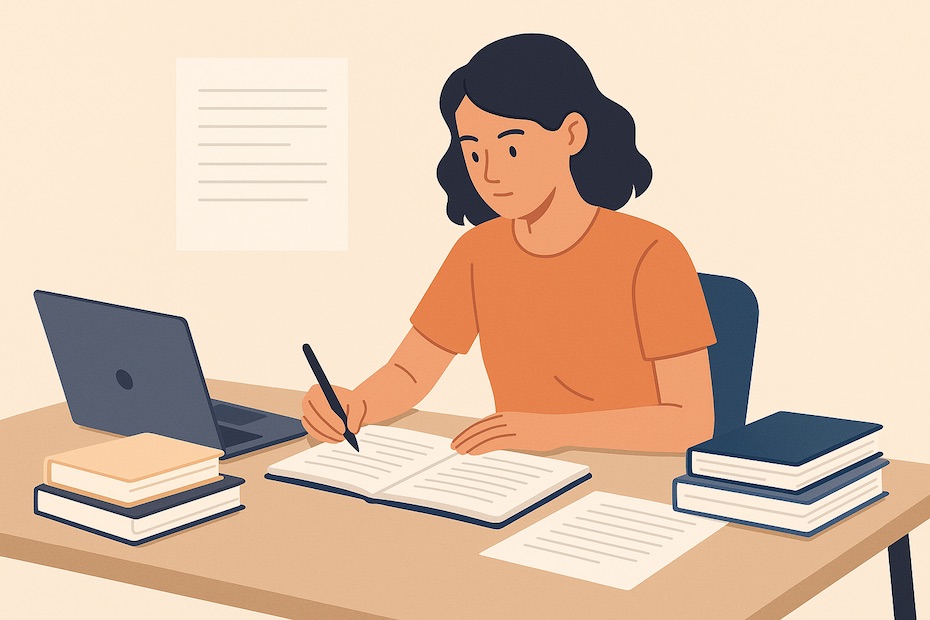
You can consistently perform at the top of your class by adopting six proven habits that straight-A students rely on.
In this article, you’ll learn how to implement the same methods high-achievers use to manage time, retain knowledge, and reduce academic stress. These are not talent-based strategies—they’re repeatable actions you can apply daily to raise your performance.
1. Build a Structured Daily Routine
Top students don’t wing it. They use fixed routines to eliminate guesswork and mental fatigue. You should do the same by locking in your daily academic schedule.
Straight-A students allocate time for each subject, plan study breaks, and block recurring review periods. One high-performing graduate noted that studying two hours per day—without fail—was more effective than sporadic all-night sessions. The key is consistency, not duration.
By planning your week in advance and sticking to your schedule, you’ll reduce procrastination and always stay a step ahead of deadlines. Routines prevent decision fatigue, helping you stay sharp and focused for high-stakes coursework.
2. Review Your Notes Within 24 Hours
Top students don’t wait until exams to study—they start reviewing the same day material is taught.
If you don’t revisit information shortly after learning it, your brain starts discarding it. Reviewing your notes within 24 hours improves encoding and strengthens memory retention. Many straight-A students type or rewrite notes in their own words right after class. This forces your brain to process and clarify the content while it’s still fresh.
Adopt this habit by scheduling a 10–15 minute review after every class session. Highlight unclear sections, cross-reference with the syllabus, and ask follow-up questions early. This one adjustment puts you in control of the material from day one.
3. Ditch Cramming and Use Spaced Repetition
Cramming delivers short-lived gains and long-term setbacks. Straight-A students know this and use spaced repetition instead.
You retain more when you review material across spaced intervals rather than all at once. Apps like Anki or simple flashcard systems allow you to schedule repeated exposure to content—days or weeks apart. This deepens memory through active retrieval over time.
Structure your review schedule so you revisit difficult content multiple times before exams. Avoid “binge studying” by investing smaller blocks of time across several days. That’s how you achieve retention that survives test day and supports future coursework.
4. Use High-Performance Study Techniques
Straight-A students don’t just study harder—they study smarter by using research-backed techniques.
The most common strategies include:
- Pomodoro Technique: 25 minutes of work, 5-minute break
- Active Recall: Testing yourself instead of rereading
- Interleaved Practice: Mixing problem types or subjects
- Feynman Technique: Explaining concepts in your own words
- Mind Mapping: Visualizing connections between ideas
- Blurting: Writing down everything you remember without notes
- Past Paper Practice: Solving old test questions
Start by combining Pomodoro and active recall in your sessions. You’ll notice increased focus, deeper understanding, and higher efficiency compared to passive reading or highlighting.
5. Protect Your Sleep Schedule
Sleep is a core academic strategy—not a luxury. High-achievers treat it as essential to their GPA.
Scientific data shows students who get 8–9 hours of sleep score higher GPAs on average than those who sleep less. Every hour of sleep lost reduces your ability to consolidate memory and focus during class. Late-night studying that cuts into rest is a trade-off that doesn’t pay off.
Set a strict sleep window, minimize screen exposure at night, and stop studying at least 30 minutes before bed. Your brain needs downtime to encode the knowledge you worked hard to gain during the day. When you sleep better, you learn better.
6. Eliminate Distractions and Create Focus Zones
Straight-A students engineer their study environment for deep concentration. You need to eliminate triggers that sabotage focus.
This includes silencing devices, avoiding multitasking, and studying in a dedicated workspace. Research shows that even small distractions—like background notifications or phone vibrations—can disrupt your attention for several minutes. Multiply that by dozens per day, and the cost is enormous.
Apply time-blocking techniques with short breaks. Even 30-minute sessions of full concentration yield more than two hours of fractured studying. Designate a study-only space, use noise-canceling tools, and treat your focus like a limited resource worth protecting.
What are the six habits of straight-A students?
- Structure a daily academic routine
- Review lecture notes within 24 hours
- Use spaced repetition over cramming
- Apply research-backed study techniques
- Maintain 8–9 hours of consistent sleep
- Eliminate distractions and protect focus
In Conclusion
You don’t need to rely on natural intelligence to earn straight As—you need repeatable habits. By building a structured routine, reviewing notes early, using spaced repetition, applying elite study techniques, prioritizing sleep, and controlling distractions, you gain an academic edge that compounds over time. These six habits aren’t complicated—but they are deliberate. Start with one, measure progress, and expand from there. The results will follow.

Maurizio Chiriva Internati (DBSc, PhDs) is a cancer immunologist and biotech entrepreneur with 20+ years in immuno-oncology. Co-founder and former CEO of Kiromic BioPharma (NASDAQ: KRBP), he has led AI-driven target discovery and translational programs, and has served on faculty at MD Anderson and Texas Tech.